

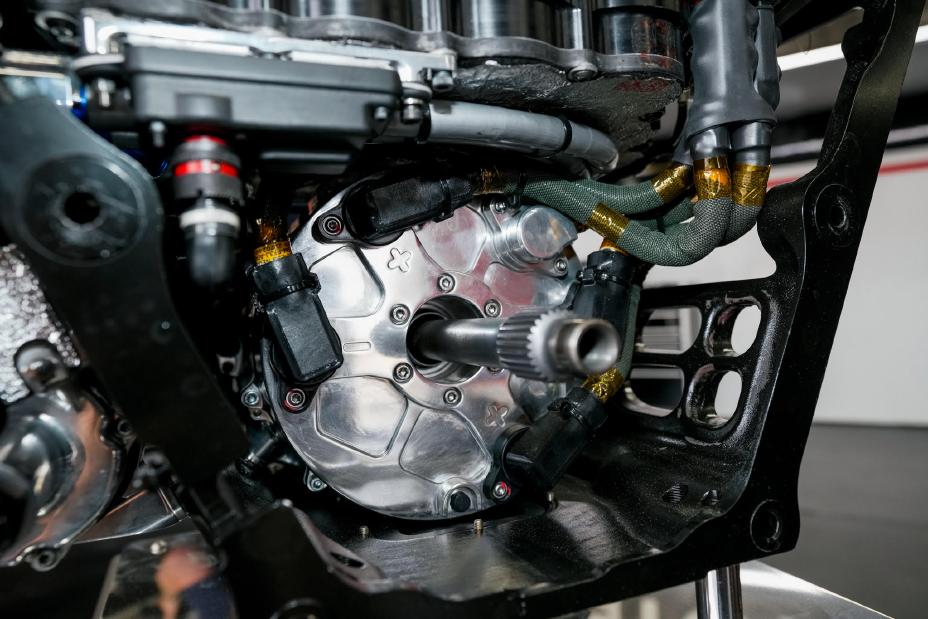
The new INDYCAR ERS hybrid will be combined with the existing 2.2-liter, twin-turbocharged V-6 engine and produce up to an additional 60 horsepower. The hybrid unit will be located within the bell housing area of the car, between the engine and transmission, allowing it to fit within the existing chassis and engine footprint.
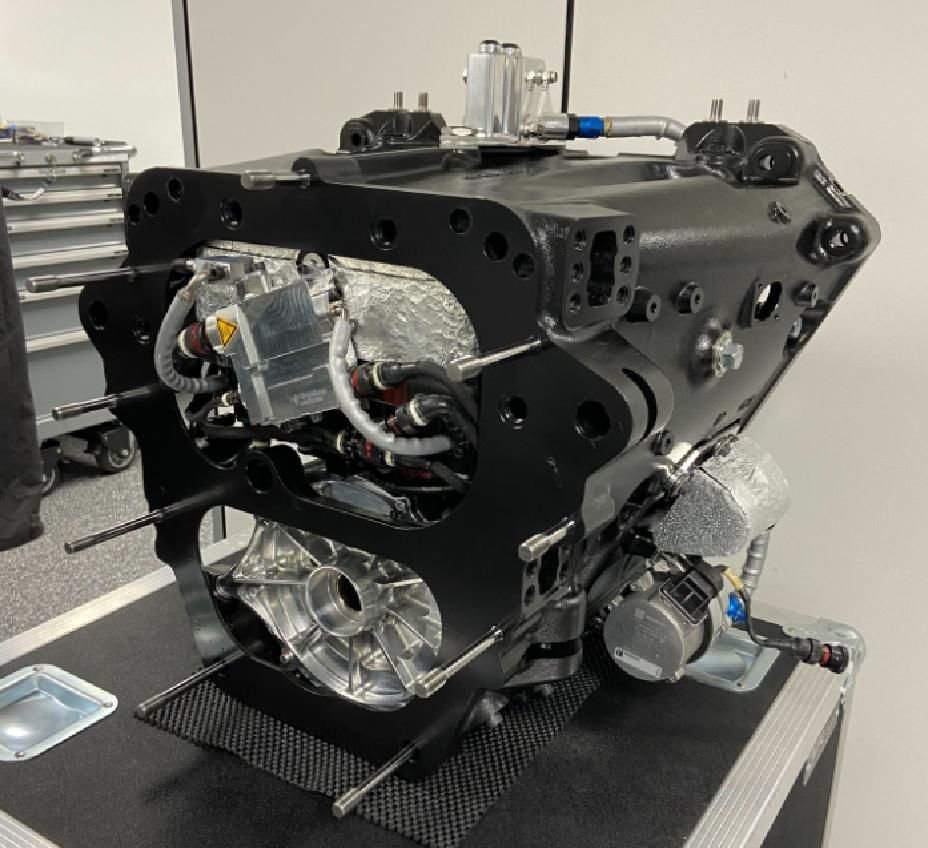
About the ERS
The ERS system will be made up of four major components.
- The Energy Storage System – ESS
- Produced by Honda Racing Corporation USA, the ESS is a series of 20 supercapacitors—designed by Skeleton—that store the energy harvested by the MGU until its deployment by the drivers. HRC US opted to use a supercapacitor rather than a battery because of its ability to both capture and deploy energy faster. The ESS can fully charge and deploy in approximately 4.5 seconds.
- The Motor Generator Unit – MGU Model Name: EMPEL 180
- Produced by EMPEL in collaboration with Ilmor, the Motor Generator Unit, or MGU captures spent energy produced under braking, turning it into electricity to be stored by the Energy Storage System. The MGU is also linked to the driveshaft of the existing Indy car engine—allowing the driver to deploy the harvested energy as additional power.
- DC / DC converter
- Produced by BrightLoop Converters, the DC / DC converter on the IndyCar ERS ensures that the energy from the ESS or generated by the MGU is output at the correct voltage for the existing powertrain, 12 volts.
- Voltage Control Device
- Essentially an oversized fuse, the Voltage Control Device is a safety component that ensures the entirety of the system never exceeds 60 volts.
These components will interface with the existing McLaren Applied-provided TAG-400i ECU or Engine Control Unit. Additional software will be used to ensure the correct synchronicity between the ERS and the Honda—or any other manufacturer—provided engines.
How the ERS works on track
The ERS captures what would otherwise be wasted energy generated under braking and uses it to charge up the supercapacitors within the unit. The ‘regen’ process can be moderated by technology or controlled manually by the driver. When deployed, the ESS sends the energy to the MGU, which is linked to the driveshaft of the existing Indy car engine, adding up to 60 horsepower at the drivers’ disposal.
In the automatic ‘regen’ process, software dictates a set level of regeneration that will occur as the driver is racing. In the manual ‘regen’ process, drivers have more control over the degree of energy harvesting. A button on the steering wheel activates energy harvesting at a set rate, while pulling a paddle on the rear of the steering wheel changes the amount of regeneration.
The process is the same for oval racing in the NTT INDYCAR SERIES. Despite not often lifting or braking on ovals in qualifying situations, it is common to lift on the ovals when drafting or lining up to execute a pass in race-day scenarios. Therefore, regen will occur often during a race as drivers are setting up their passes. Then, energy can be deployed when they are making the pass.
Deployment of the energy stored in the ERS is activated manually by the driver via a button on the steering wheel.
An additional benefit to going hybrid is the ability for the ERS to start or restart the car without the need for the current external starter. With stalling being a common cause for full-course cautions, the ERS will provide enough power that a driver can restart the car without outside assistance. This will not only reduce the number of yellow and red flag periods, but also the risk safety workers face while attending to a stalled race car on course. The system will always keep some energy in reserve to allow for multiple engine restarts should a driver need it.